
Create a Wallet
Understand what is created locally and prepare a safe backup before adding assets.
Open guide →imtoken
A multi-chain wallet, blockchain network and Web3 knowledge hub from imtoken
Manage multi-chain assets with clearer network choices, receiving and sending checks, DApp connection guidance, approval awareness, practical blockchain knowledge, and wallet security habits.
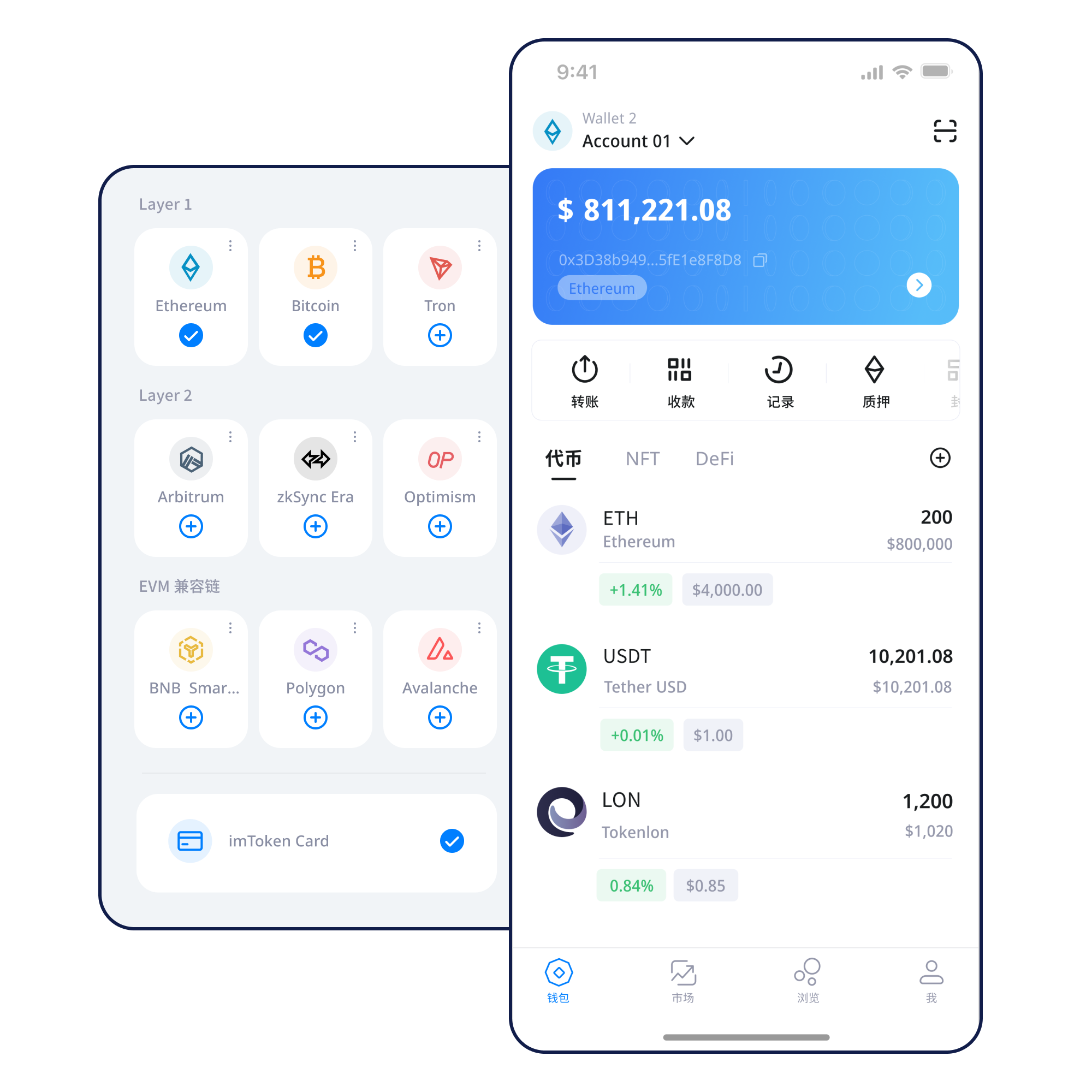
Quick tasks
Understand what is created locally and prepare a safe backup before adding assets.
Open guide →Record recovery information offline and keep it away from screenshots, cloud notes, and chat.
Open guide →Check the receiving address and network together before asking another party to send.
Open guide →Verify the destination, network, amount, and gas before broadcasting an on-chain transfer.
Open guide →Confirm the domain and review every connection, signature, and approval as a separate request.
Open guide →Wallet capabilities
Asset display depends on the selected network, token contract, address, and confirmed on-chain state.
Review networks, assets, activity, and DApp requests from a mobile workflow.
Check the receiving address, selected network, amount, gas, and transaction hash.
Treat browser connection, signing, approval, and disconnecting as separate decisions.
Keep seed phrases and private keys offline, verify requests, and manage permissions you no longer need.
Blockchain networks
Compare network concepts side by side and connect each one to practical checks before moving assets.
Understand that one wallet can hold addresses used across different networks while balances and transaction states remain network-specific.
Learn network fundamentals →Nodes validate and relay transactions, blocks organize confirmed activity, and explorers expose public records that help you verify outcomes.
Learn network fundamentals →
EVM networks share familiar contract behavior, but chain ID, gas asset, token contract, and confirmation state still belong to the selected network.
Learn network fundamentals →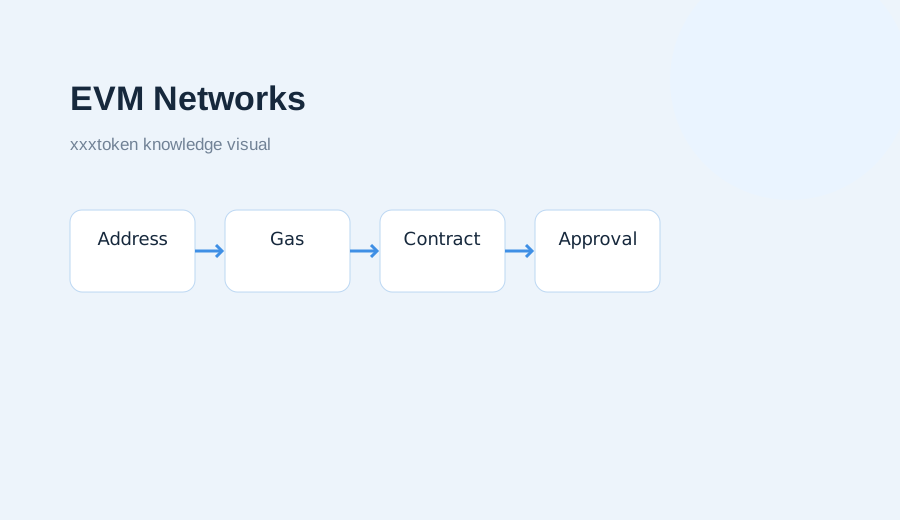
Layer 2 systems extend base networks. Cross-layer movement may involve bridges, different waiting periods, and separate confirmation states.
Learn network fundamentals →
Gas reflects execution cost, while confirmations indicate how deeply a transaction has been included in the chain.
Learn network fundamentals →Wallet path
Use the official download entry and review the page before continuing.
Understand whether you are creating new keys or restoring an existing wallet.
Store the seed phrase offline and never disclose private keys to anyone.
Confirm the network matches the asset and destination before transferring.
Check the address, amount, gas, and transaction details before submission.
Use transaction hashes and approval records to understand what remains active.
Web3 & DApp
A wallet connection does not mean every later signature or approval should be accepted. Treat each request as a new decision.
Security
A seed phrase and private key can control wallet assets. Store them offline, do not send them to anyone, and avoid typing them into third-party websites. Before transfers, signatures, and approvals, verify the network, destination, request details, and permission scope. Public computers, public Wi-Fi, clipboard manipulation, and remote-control software can add risk. On-chain transactions normally cannot be reversed by the wallet alone, and third-party DApps and smart contracts may behave unexpectedly or contain vulnerabilities.
Open Security Center →Academy
Start with addresses, seed phrases, private keys, networks, gas, transaction hashes, DApps, and approvals. These concepts appear together in real wallet tasks, so learning their relationships is more useful than memorizing definitions separately.
Read the starter guide →See how nodes, blocks, and confirmations create a public record.
Understand addresses, gas, contracts, tokens, and approvals.
Learn how L2 systems relate to mainnet and bridges.
Review approval targets and permission scope.
Protect control information and verify requests.
Connect common terms to real wallet actions.
Ethereum & PoS
Learn how Ethereum PoS, validators, reward sources, network state, withdrawals, and exits fit together. Staking does not guarantee returns, and rewards can change.
Read staking basics →Validator penalties, exit waiting periods, smart-contract risk, asset-price volatility, and third-party service risk can all affect outcomes.
Understand validators →Updates
Review download and wallet entry points before continuing.
Confirm the network and transaction hash when status appears inconsistent.
Revisit DApp permissions you no longer need.
Review network conditions and waiting periods before acting.
FAQ
A digital wallet helps you manage addresses, keys, and on-chain transaction requests. It does not change the rules of the blockchain for you.
Both relate to wallet control. A seed phrase can derive multiple accounts, while a private key typically represents a specific key. Protect both offline.
No. Legitimate support should not ask for a seed phrase, private key, or verification code, and you should not submit them through forms, chat, or email.
The same asset name may exist on multiple networks. The sender and recipient need compatible network context for the transfer to appear as expected.
Gas describes the network fee required for certain on-chain transactions or smart-contract actions. Cost depends on network rules and demand.
A transaction hash is a public identifier that can be used with an explorer for the correct network to review status, confirmations, and public transaction details.
Confirm that you are checking the correct network, review the transaction hash, fee settings, and congestion, and avoid repeatedly submitting the same action without understanding its state.
imtoken
Use the download page as the single entry point and keep wallet secrets off websites and chats.